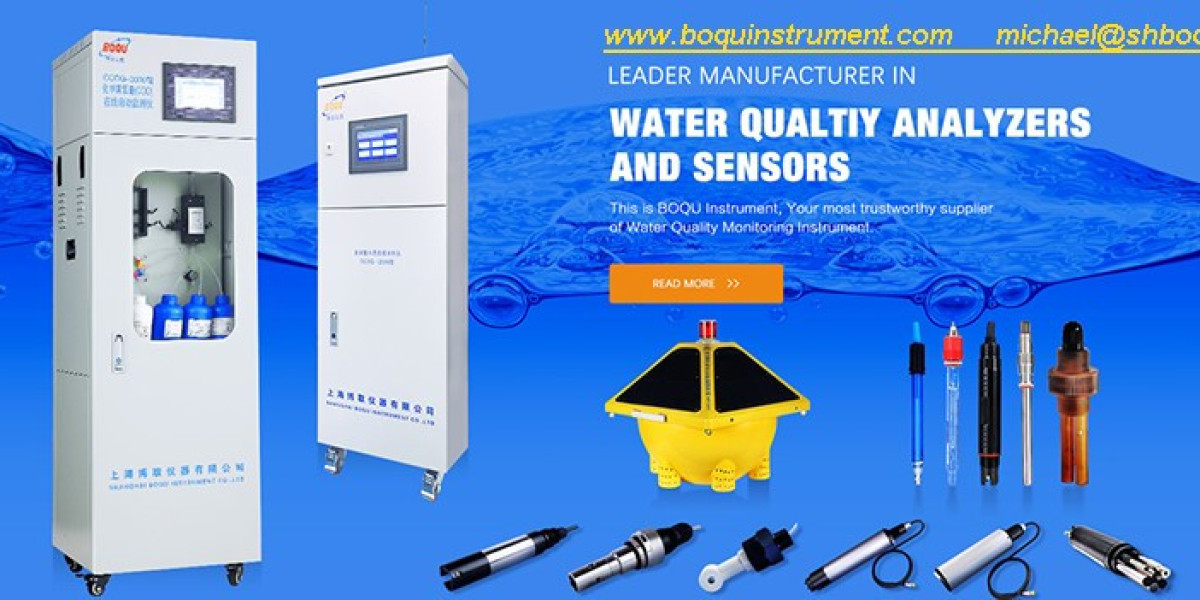

With increasing environmental concerns and stricter regulations, businesses are adopting advanced monitoring technologies to ensure safe and efficient water usage. Among these innovations, the online water analyzer has become a vital solution for real-time and continuous water quality monitoring.
An online water analyzer is designed to measure key water parameters such as pH, conductivity, turbidity, dissolved oxygen, temperature, and chemical concentrations. These measurements are essential for understanding water conditions and ensuring they remain within safe operational limits. Unlike traditional methods that rely on manual sampling and laboratory testing, online systems provide continuous data, enabling faster and more accurate decision-making.
Industries such as power generation, pharmaceuticals, chemical processing, food and beverage, and wastewater treatment depend heavily on consistent water quality. Even minor fluctuations can disrupt production processes, damage equipment, or lead to regulatory violations. Continuous monitoring helps detect these issues early, allowing operators to take immediate corrective actions and maintain smooth operations.
One of the most important features of an online water analyzer is its automation capability. These systems use advanced sensors and intelligent control units to minimize manual intervention. They can automatically generate alerts or trigger corrective actions when water quality parameters exceed safe limits. This improves operational efficiency while reducing human error and maintenance requirements.
Midway through modern water management strategies, many industries are adopting advanced technologies like the online water analyzer to ensure precise and uninterrupted monitoring. These systems are engineered for durability and accuracy, making them suitable for both industrial and environmental applications.
Another major advantage of these systems is digital integration. Modern analyzers often support remote monitoring, cloud data storage, and real-time analytics. This allows operators to access water quality information from anywhere, improving flexibility and enabling faster responses to potential issues. It also helps organizations track long-term trends and optimize their water usage strategies.
Environmental sustainability is another key benefit of online water analyzers. By providing accurate and continuous data, these systems help reduce water waste, improve resource efficiency, and minimize environmental impact. This supports global efforts to promote sustainable development and responsible water management practices.
In addition, regulatory compliance has become increasingly strict across various industries. Organizations are required to maintain detailed water quality records and demonstrate adherence to environmental standards. Online water analyzers simplify this process by automatically recording and storing data, making reporting more efficient and reliable.
These systems are also highly versatile and can be used in a wide range of applications, including municipal water treatment plants, industrial facilities, laboratories, and environmental monitoring stations. Their adaptability ensures consistent performance in different operating conditions and environments.
In conclusion, the online water analyzer plays a crucial role in modern water quality management. Its ability to deliver real-time, accurate, and continuous monitoring makes it essential for industries focused on efficiency, safety, and sustainability. As global water challenges continue to grow, investing in advanced monitoring technology is a key step toward ensuring a cleaner, safer, and more sustainable future.


