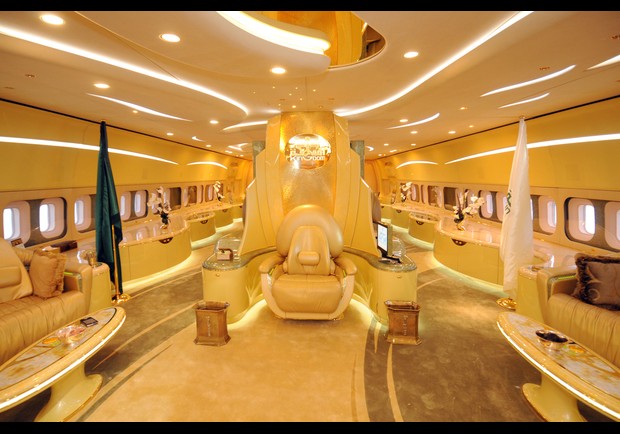

Lately, the private aviation industry has witnessed substantial progress, driven by an increasing demand for personalized travel experiences, enhanced safety protocols, and the comfort of avoiding crowded business airports. This case study explores the dynamics of private aviation companies, their business fashions, key gamers, and the evolving panorama of luxurious air journey.
Overview of the Private Aviation Trade
The private aviation sector encompasses a spread of companies, together with charter flights, jet administration, fractional possession, and aircraft gross sales. If you beloved this article along with you would like to acquire details about how much to charter a private jet (euvisajobs.com) kindly stop by the web site. Not like commercial airlines, private aviation affords tailored experiences that cater to particular person preferences, offering shoppers with flexibility in scheduling, routes, and in-flight companies. The trade serves a diverse clientele, from business executives and celebrities to families and leisure travelers seeking unique travel experiences.

Key Gamers in Private Aviation
A number of corporations dominate the top 5 private jet charters aviation landscape, each with distinctive offerings:
- NetJets: Founded in 1964, NetJets is a pioneer within the fractional ownership mannequin, permitting clients to buy shares in aircraft. This mannequin provides entry to a fleet of over seven-hundred jets, ensuring that homeowners can fly on-demand while sharing the prices of maintenance and operations.
- VistaJet: Established in 2004, VistaJet operates a fleet of silver and crimson jets out there for charter. The company emphasizes a constant and excessive-high quality service, providing tailor-made experiences and a world reach, with flights accessible to over 1,900 airports worldwide.
- Flexjet: Flexjet offers fractional possession, leasing, and jet card programs, specializing in luxurious and personalised service. Their fleet consists of a range of aircraft, from mild jets to giant cabin planes, catering to numerous travel wants.
- Wheels Up: Based in 2013, Wheels Up has revolutionized the private aviation market with its membership mannequin. Members pay an upfront price and obtain access to a fleet of aircraft, including King Air 350i and Citation Excel jets, with flexible pricing choices for flights.
- Air Associate: With a history dating again to 1961, Air Accomplice offers charter providers, aircraft management, and consultancy. The company caters to both company and private purchasers, providing tailor-made solutions for numerous travel wants.
Enterprise Models in Private Aviation
The private aviation industry employs a number of enterprise fashions, every designed to fulfill completely different buyer needs:
- Charter Services: On-demand charter flights enable shoppers to book aircraft as needed, offering maximum flexibility. Charter firms usually charge based mostly on flight hours, aircraft sort, and additional companies.
- Fractional Ownership: This model permits shoppers to purchase a share of an aircraft, giving them entry to a particular variety of flight hours per year. Fractional ownership is good for many who fly incessantly but don't want the full responsibility of owning an aircraft.
- Jet Cards: Jet card programs offer prepaid flight hours, allowing customers to e book flights without owning an aircraft. This mannequin provides flexibility and predictability in pricing, making it appealing to occasional travelers.
- Full Possession: Some purchasers go for full ownership of an aircraft, which grants them complete management over the aircraft's use. This model is suited for prime-web-value people or corporations that require regular access to a private jet.
Developments Shaping the Trade
The private aviation sector is evolving rapidly, influenced by a number of key tendencies:
- Increased Demand for Security and Hygiene: Following the COVID-19 pandemic, travelers prioritize security and cleanliness. Private aviation companies have implemented rigorous well being protocols, including enhanced cleaning measures and contactless companies, to reassure clients.
- Sustainability Initiatives: As environmental issues develop, private aviation companies are adopting sustainable practices. This contains investing in gasoline-efficient aircraft, exploring sustainable aviation fuels, and taking part in carbon offset packages to scale back their environmental impact.
- Technological Developments: The combination of expertise is remodeling the private aviation experience. Companies are leveraging cell apps for booking and customer service, utilizing data analytics for operational efficiency, and enhancing in-flight entertainment techniques to meet fashionable traveler expectations.
- Rise of Membership Fashions: The recognition of membership packages, like those supplied by Wheels Up, has democratized entry to private aviation. These models present clients with a cost-effective solution to take pleasure in largest private jet charter flying without the long-time period dedication of possession.
- World Enlargement: As rising markets grow, private air flights aviation companies are increasing their operations internationally. Areas resembling Asia-Pacific and the Center East present vital alternatives, with rising numbers of high-net-worth people searching for private travel options.
Challenges Dealing with the Business
Despite its development, the private aviation trade faces a number of challenges:
- Regulatory Hurdles: Navigating the complex regulatory environment might be challenging for private aviation companies. Compliance with aviation safety requirements, customs laws, and international laws requires significant resources and expertise.
- Market Competition: The rise of latest entrants and alternative modes of travel, akin to electric vertical takeoff and touchdown (eVTOL) aircraft and air taxis, intensifies competitors. Established corporations must innovate and adapt to take care of their market share.
- Financial Fluctuations: The private aviation sector is delicate to financial downturns. During recessions, discretionary spending on luxurious providers, together with private flights, tends to decline, impacting revenue for aviation companies.
Conclusion
Private aviation companies are reshaping the landscape of luxurious travel by offering personalized, versatile, and handy flying experiences. With key gamers like NetJets, VistaJet, and Wheels Up main the charge, the industry is poised for continued progress, pushed by tendencies reminiscent of elevated security, sustainability initiatives, and technological advancements. While challenges remain, the way forward for private aviation seems promising, catering to the evolving wants of affluent travelers across the globe.