
Introduction
Kawaii fashion, stemming from the Japanese word that means "cute" or "adorable," has been gaining reputation worldwide in recent times. Identified for its whimsical, colorful, and playful parts, kawaii outfits have turn into a popular fashion selection for a lot of individuals trying to express their creativity and individuality. In this article, we intention to explore the idea of kawaii outfits, examining their origins, key traits, and the psychology behind the attraction of this style pattern.
A brief Historical past of Kawaii Vogue
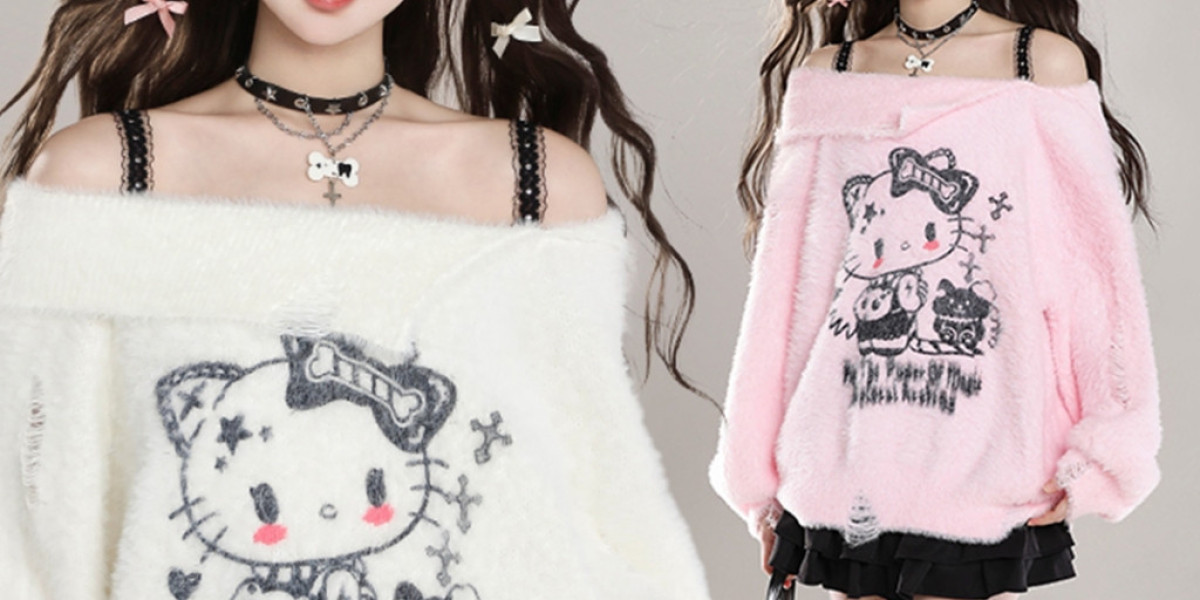
Kawaii vogue emerged in Japan within the 1970s as a response to societal trends that emphasized conformity and grownup-like conduct. The movement started as a approach for young folks to rebel towards conventional vogue norms and express their youthful innocence and playfulness. Drawing inspiration from manga, anime, and cute characters equivalent to Hiya Kitty, kawaii vogue quickly gained recognition amongst teenagers and young adults in Japan and eventually spread to different parts of the world.
Key Traits of Kawaii Outfits
Kawaii outfits are characterized by their emphasis on cuteness, brightness, and whimsy. Pastel colors, ruffles, bows, and playful prints are widespread elements of kawaii trend, as well as accessories corresponding to oversized bows, fluffy luggage, and colorful hair clips. Widespread kawaii kinds include Lolita, Fairy Kei, and Decora, every with its personal unique aesthetic and charm.
Lolita trend, for example, is impressed by Victorian and Rococo kinds, featuring intricate lace, frills, and elaborate dresses. Fairy Kei, however, is understood for its pastel colours, playful motifs, and nostalgic 80s-impressed aesthetic. Decora trend, with its emphasis on layering and accessorizing, is characterized by its daring colors, oversized equipment, and playful streetwear elements.
The Psychology of Kawaii Style
The appeal of kawaii fashion goes past simply aesthetics – it additionally has a psychological affect on both the wearer and the observer. Research suggests that exposure to cute and adorable photographs, equivalent to those present in kawaii vogue, can evoke positive emotions and feelings of happiness. This phenomenon, recognized because the "kawaii impact," can lead to increased ranges of dopamine within the brain, leading to emotions of pleasure and satisfaction.
Moreover, the act of wearing kawaii outfits can also have a constructive effect on the wearer's shallowness and confidence. By expressing themselves by means of playful and colorful clothes, individuals can really feel more empowered and in control of their very own image and identity. In a society that always values conformity and uniformity, kawaii style offers a space for self-expression and creativity.
The way forward for Kawaii Style

As kawaii vogue continues to gain recognition around the world, it is obvious that this trend is here to stay. With the rise of social media platforms equivalent to Instagram and TikTok, people have more opportunities than ever to showcase their kawaii outfits and connect with like-minded people. The internet has offered a platform for kawaii style enthusiasts to share their creativity, inspiration, and love for all things cute and kawaii.
In conclusion, kawaii outfits symbolize greater than just a trend development – they are a form of self-expression, empowerment, and creativity. By embracing the whimsical and adorable elements of kawaii trend, people can faucet right into a world of positivity, happiness, and self-confidence. As the popularity of kawaii vogue continues to develop, so too will our understanding of the psychological and emotional benefits it can present. So, why not embrace your internal cuteness and discover the world of kawaii trend in the present day?


