Among the organized chaos of medical professionals in Birmingham, a young man named James Stokes carries himself with the measured poise of someone who has found his place. His smart shoes barely make a sound as he acknowledges colleagues—some by name, others with the familiar currency of a "how are you."
James displays his credentials not merely as a security requirement but as a symbol of belonging. It rests against a pressed shirt that gives no indication of the tumultuous journey that led him to this place.
What separates James from many of his colleagues is not visible on the surface. His demeanor gives away nothing of the fact that he was among the first beneficiaries of the NHS Universal Family Programme—an initiative created purposefully for young people who have been through the care system.
"It felt like the NHS was putting its arm around me," James reflects, his voice measured but revealing subtle passion. His remark summarizes the essence of a programme that strives to revolutionize how the enormous healthcare system approaches care leavers—those often overlooked young people aged 16-25 who have transitioned from the care system.
The figures reveal a challenging reality. Care leavers commonly experience greater psychological challenges, financial instability, accommodation difficulties, and reduced scholarly attainment compared to their peers. Behind these cold statistics are individual journeys of young people who have navigated a system that, despite genuine attempts, regularly misses the mark in providing the nurturing environment that forms most young lives.
The NHS Universal Family Programme, initiated in January 2023 following NHS England's commitment to the Care Leaver Covenant, embodies a profound shift in systemic approach. At its heart, it acknowledges that the whole state and civil society should function as a "collective parent" for those who haven't experienced the constancy of a typical domestic environment.
Ten pathfinder integrated care boards across England have blazed the trail, establishing frameworks that rethink how the NHS—one of Europe's largest employers—can create pathways to care leavers.
The Programme is detailed in its approach, starting from comprehensive audits of existing policies, creating management frameworks, and obtaining senior buy-in. It understands that effective inclusion requires more than lofty goals—it demands concrete steps.
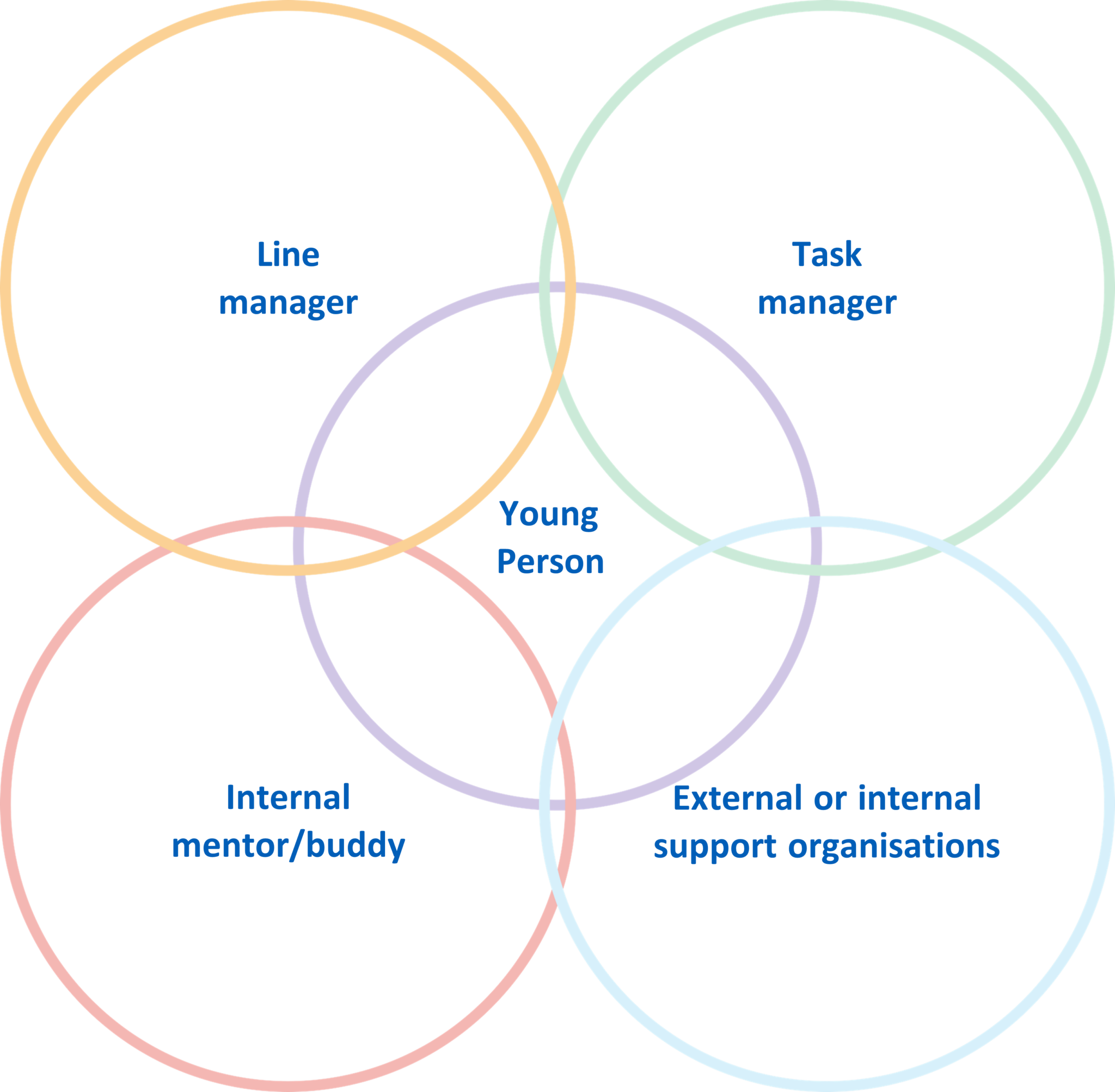
In NHS Birmingham and Solihull ICB, where James started his career, they've established a consistent support system with representatives who can provide help and direction on wellbeing, HR matters, recruitment, and EDI initiatives.
The conventional NHS recruitment process—formal and often daunting—has been carefully modified. Job advertisements now emphasize personal qualities rather than extensive qualifications. Application processes have been reimagined to consider the specific obstacles care leavers might experience—from lacking professional references to having limited internet access.
Possibly most crucially, the Programme understands that entering the workforce can create specific difficulties for care leavers who may be handling self-sufficiency without the backup of family resources. Issues like commuting fees, proper ID, and banking arrangements—taken for granted by many—can become significant barriers.
The beauty of the Programme lies in its attention to detail—from outlining compensation information to providing transportation assistance until that crucial first payday. Even ostensibly trivial elements like break times and office etiquette are thoughtfully covered.
For James, whose career trajectory has "changed" his life, the Programme delivered more than work. It provided him a perception of inclusion—that elusive quality that develops when someone feels valued not despite their past but because their particular journey enhances the workplace.
"Working for the NHS isn't just about doctors and nurses," James observes, his expression revealing the subtle satisfaction of someone who has found his place. "It's about a family of different jobs and roles, a team of people who truly matter."

The NHS Universal Family Programme represents more than an work program. It functions as a strong assertion that organizations can change to include those who have navigated different paths. In doing so, they not only transform individual lives but enhance their operations through the unique perspectives that care leavers bring to the table.
As James walks the corridors, his involvement subtly proves that with the right help, care leavers can succeed in environments once thought inaccessible. The embrace that the NHS has provided through this Programme signifies not charity but appreciation of hidden abilities and the essential fact that everyone deserves a community that believes in them.